

 Facebook
 X
X
 Pinterest
 Copy Link
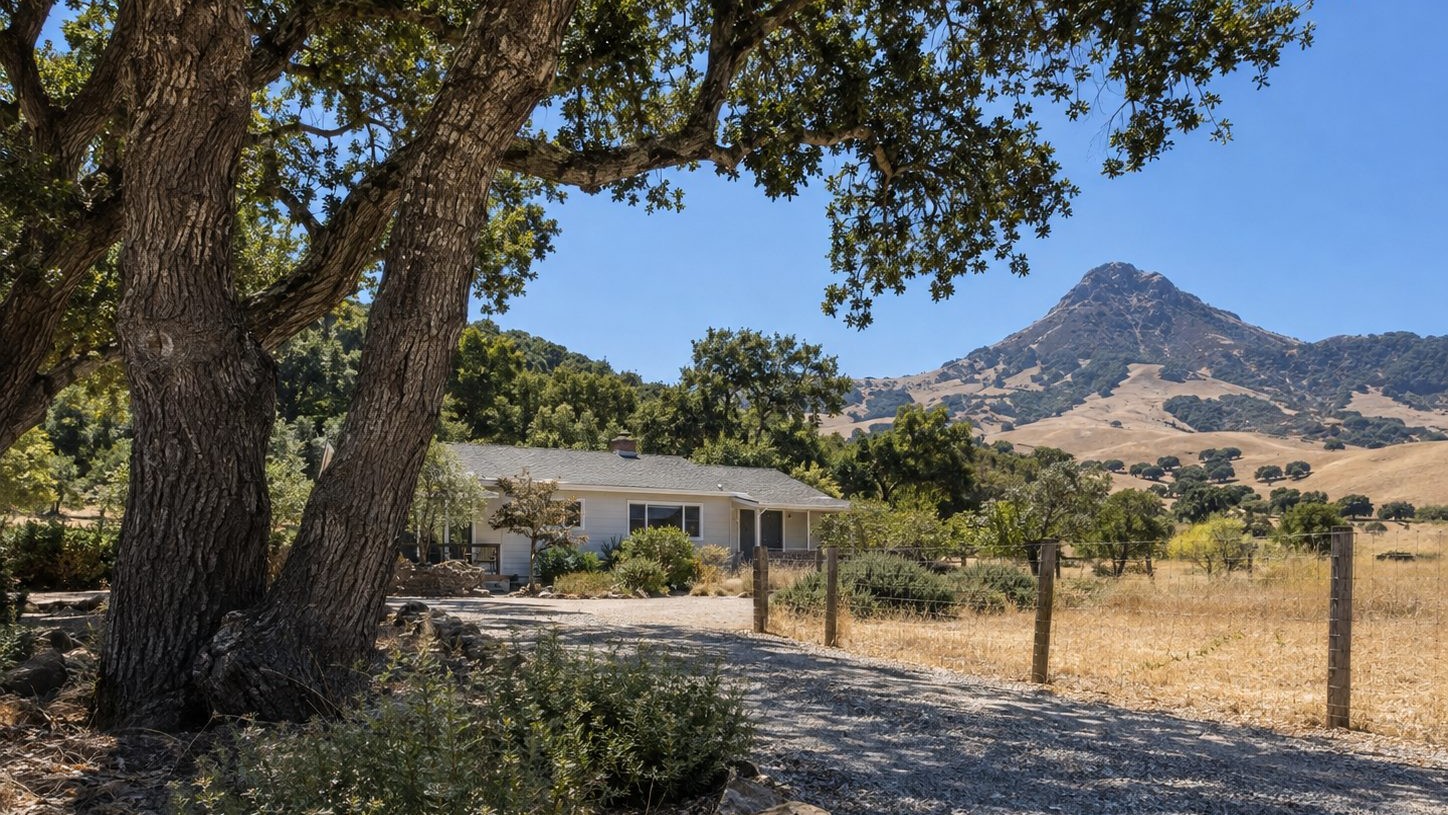
Do you need a water test to buy or sell a home with a well in San Luis Obispo County?
No county rule requires a water test just because a home with a well changes hands in San Luis Obispo County. Your lender orders the test. Your inspection contingency is where you order your own. The county doesn’t. What the County does regulate is the well itself, and one rule catches people off guard. A well sitting unused for a year counts as abandoned, and the owner has to either destroy it or file to keep it.
Once you get outside city limits here, private wells are common. You’ll see them all over the rural parcels around Nipomo and Templeton. Creston, Santa Margarita, Shandon, and the ranch country out toward Pozo and Adelaida are the same.
Almost every escrow on a home with a well produces the same two questions in week one. Does the county make us test the water? And what about that second well nobody has touched in years?
The county regulates the well, not the water quality
San Luis Obispo County Environmental Health says it plainly. Its Private Well Owner Resources page states that private well water quality “is not regulated or monitored by any outside agency or company.” The page puts the responsibility on the well owner.
Nobody’s checking. There’s no annual notice, no scheduled sampling, and no agency that signs off on your water before closing.
The County does permit and inspect the physical well. Environmental Health Services administers the SLO County Well Program. It publishes permits for well construction and well destruction, covering water wells and monitoring wells alike.
Planning work on a well you already have? Deepening it, re-perforating it, or replacing the casing is a different conversation, so call Environmental Health before the drill rig shows up rather than after. The program line is 805-781-5544.
The County runs all of this under the California Well Standards in Department of Water Resources Bulletin 74. Local agencies may adopt ordinances that meet or exceed the state minimums. Environmental Health doesn’t publish its permit fees on that page. It points you to a separate fee schedule instead, so ask what yours will run before you budget anything.
First find out how many wells are actually on the parcel
Before you can price a home with a well, you need to know how many wells are on it. You can’t plan around one you don’t know about, and the seller may not know either. An ag well drilled in 1962 by an owner three deeds back doesn’t show up in a listing.
Two places to look:
- The state’s records. Department of Water Resources collects Well Completion Reports from drillers and publishes them, including a public map you can search by location
- The County’s records. Environmental Health holds the local permit history for the parcel
Walk the property too. An old well head, a dry concrete pad, a capped pipe in the weeds, or an abandoned pump house are all worth asking about.
The abandoned well rule on a home with a well
Older Central Coast parcels often carry more than one well. An original hand-dug well near the house. An ag well out in the field. A test hole from a drilling attempt that didn’t pan out.
California Well Standards Bulletin 74-90, Section 21 treats a well unused for one year as abandoned. The owner can rebut that by showing an intention to use it again. SLO County Environmental Health cites that same section. An abandoned well, the County says, “must be destroyed by a licensed C-57 water well contractor.”
Want to keep an unused well instead? File a Declaration to Maintain an Inactive Well with Environmental Health. Section 21 also sets physical conditions the well has to meet:
- A cover locked or otherwise secured so nobody can lift it without tools
- A watertight cover if the well sits below ground level, or if it’s been inactive more than five consecutive years
- Marking and labeling so anyone can see, find, and identify it as a well
- The surrounding area kept clear of brush, debris, and waste materials
- No impairment of water quality in the well or the groundwater it reaches
Destruction isn’t a weekend project either. SLO County requires the driller to hold a current C-57 license. The County’s destruction page says that driller also carries a $25,000 surety bond with Environmental Health Services. Starting destruction before Environmental Health approves it is unlawful, the County says. And the permit application comes from the driller rather than the homeowner.
That last detail matters more than it sounds during escrow. Since the driller applies on the owner’s behalf, a well on a property still in the seller’s name generally gets handled by the seller. Sort out who’s paying and who’s signing while you still have contingencies, not after.
Selling a home with a well, what to handle first
If you own a home with a well and you’re thinking about selling, the well is a disclosure topic before it’s anything else. California sellers complete a Transfer Disclosure Statement, and most listings here also include a Seller Property Questionnaire. Both ask about the water supply, and an unused or unpermitted well belongs in that answer.
Decide early whether you’d rather handle an abandoned well yourself or credit the buyer for it. Handling it before you list gives you a finished permit and a clean answer. Leaving it means negotiating under a contingency deadline with a buyer who now has the upper hand.
Here’s what I tell sellers. I’d rather find this during listing prep than have a buyer’s inspector find it midway through escrow, when you’re negotiating from a much worse position.
What your lender will require on a home with a well
Here’s where the real testing requirement lives. Not with the county, with the loan.
Start with FHA. HUD’s guidance on individual water supply systems sets the bar at the EPA’s National Primary Drinking Water Regulations, at 40 CFR 141 and 142, where no local standard applies. HUD then lists the situations that require a well water test. One is a well sitting less than 100 feet from the septic system.
One detail trips up more transactions than any other. HUD requires a disinterested third party to collect and transport the sample. The borrower can’t do it, and neither can anyone else with an interest in the sale.
VA financing runs on similar logic. The VA Lenders Handbook sets minimum property requirements that take in the water supply. VA generally looks to the local health authority’s standard for safe drinking water. Shared wells draw extra scrutiny, and lenders commonly want a written well-sharing agreement plus recorded access for repairs.
Loan programs set their own conditions and lender overlays change. Ask your loan officer in writing what a home with a well will require. Do that before you remove your loan contingency, and build the lab turnaround into your investigation period.
What to test on a well before you buy the home
Even on a cash purchase, I want the water tested on a home with a well. Environmental Health notes that contaminants including bacteria, heavy metals, nitrates, and radon can only be found by laboratory testing. A reasonable baseline here:
- Bacteria. Total coliform and E. coli, the standard first screen
- Nitrate. Especially near agricultural ground, which covers a good deal of the county
- Arsenic. One of the two contaminants the Central Coast Water Board screens for first, alongside nitrate
- A flow or yield test. Separate from quality. It tells you whether the well produces enough water for the household
Use a lab accredited by the State Water Board’s Environmental Laboratory Accreditation Program. Lenders and agencies expect results from an accredited lab, and finding that out after the fact costs you a retest inside a contingency window.
The flow test gets skipped constantly and causes the most regret. Clean water from a well that produces two gallons a minute is still a problem on a five-bedroom property.
There’s also a free option worth knowing about. The Central Coast Regional Water Quality Control Board runs a drinking water well testing program at no cost to the owner. It focuses on nitrate, arsenic, and 1,2,3-TCP. It covers households on a private or shared well across a Central Coast region that includes San Luis Obispo County, at 1-844-613-5152. Availability changes, so confirm it still applies to you. It runs on its own schedule rather than your escrow timeline, so treat it as a homeowner resource rather than a transaction test.
Well, septic, and plumbing rules are three different things
A well question concerns your water supply, and Environmental Health’s Well Program handles it. A septic question concerns wastewater. I covered that one in whether a septic inspection is required to sell in San Luis Obispo County. No county mandate applies at transfer there either. Plumbing fixture retrofit is a third thing. Five SLO County communities require it at sale, and it has nothing to do with wells.
Clearing one of these never clears another. Does your parcel also sit in a High or Very High Fire Hazard Severity Zone? Then you may be carrying defensible space and fire hardening disclosure obligations on top of everything above.
Sorting out which ones apply to one parcel is most of what I do in week one of a rural listing. It’s rarely all of them. It’s almost never none of them.
Frequently Asked Questions
Does San Luis Obispo County require a well water test when you sell a house?
No. San Luis Obispo County Environmental Health states that no outside agency regulates or monitors private well water quality. Its Well Program publishes permits for well construction and well destruction, not for sale. Water tests in a transaction come from lender requirements and buyer inspection contingencies. Rules change, so confirm the current ones with Environmental Health for your parcel.
Who pays for the well water test, the buyer or the seller?
Usually the buyer. The test belongs to the buyer’s investigation and, on a financed purchase, to the lender’s conditions. It stays negotiable like any other cost, and a seller credit at closing can cover it. On FHA loans, HUD requires a disinterested third party to collect and transport the sample, so neither party can do it personally.
How do I find out if there is an old well on the property?
Start with the Department of Water Resources Well Completion Report map, which publishes driller-filed records you can search by location. Then ask SLO County Environmental Health for the parcel’s permit history. Walk the land too, since a capped pipe or an old concrete pad is often the only thing showing. Ask the seller directly and get the answer in writing.
What happens to an old unused well on a property I am buying?
It becomes the new owner’s responsibility once escrow closes, so deal with it before. The California Well Standards and SLO County Environmental Health treat a well unused for one year as abandoned. A licensed C-57 contractor must then destroy it, unless the owner files a Declaration to Maintain an Inactive Well and keeps it secured, marked, and clear. Settle who handles it during your investigation period.
How long does a well water test take in escrow?
A few business days for a standard bacteria and nitrate panel. Turnaround varies by lab and by how many analytes you order. Some loan programs also put an expiration on the result, so ask your lender how long theirs stays valid. Order early in your investigation period, not late, because a failed result can mean treatment, a retest, or a repair negotiation before your contingency deadline.
Can you get a loan on a property with a shared well?
Often yes, though shared wells carry extra conditions. Lenders generally want a written well-sharing agreement among the owners. They also want a recorded easement for repair access, and the well has to serve each property adequately. Send the agreement to your lender early, because a missing or informal arrangement is a common reason a rural closing slips.
Working through a home with a well
Buying or selling a home with a well gets manageable once you know which rules are real and which are folklore. The county permits the well. Your lender drives the water test. And the abandoned well nobody mentioned is the item most likely to surface late.
Weighing a property on a well anywhere in San Luis Obispo County and surrounding areas? I’m glad to walk through what applies to that parcel, whether you’re about to write an offer or deciding what to handle before you list. You don’t need to be ready to move on anything yet.
Buying or selling in San Luis Obispo County or North Santa Barbara County? Call or text Wina Gill for clear answers about your property, from your first question through closing. 805-550-0161 | Century 21 Masters Luxury | CA DRE #02006343
About Wina Gill
Wina Gill is a Realtor and Certified Negotiation Expert with Century 21 Masters, based in Arroyo Grande and serving San Luis Obispo County and North Santa Barbara County. With more than 10 years in real estate, she has completed more than 100 sales totaling over $90 million in sales volume. Wina works as a solo agent, so clients work directly with her from the first conversation through closing. She writes about Central Coast communities, neighborhood differences, and local market conditions. She also covers the property-specific factors that affect buying, owning, and selling a home, so people understand their options before making a move. Reach her at 805-550-0161 or winagillhomes.com.
DRE #02006343



