

 Facebook
 X
 Pinterest
 Copy Link
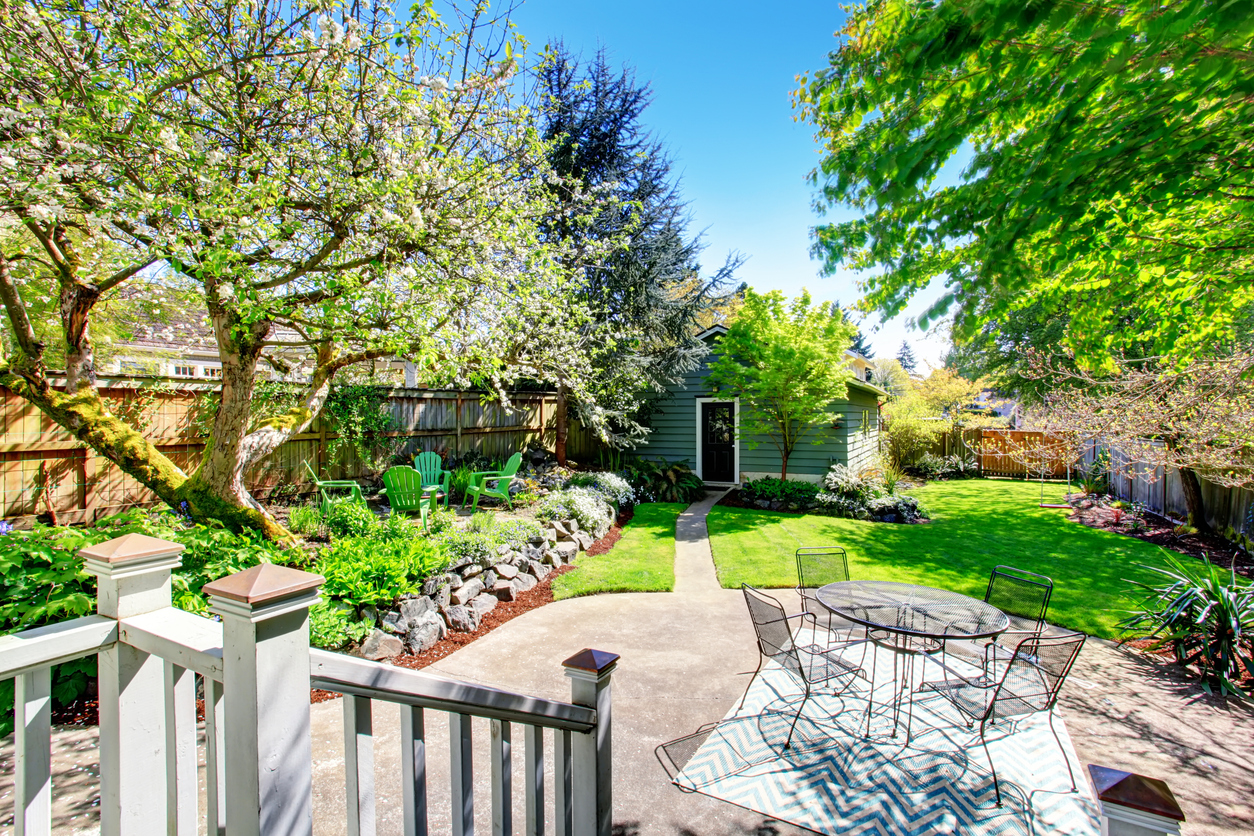
What can you do about an unpermitted ADU when buying or selling in San Luis Obispo County?
San Luis Obispo County lets homeowners apply to legalize an accessory dwelling unit (ADU) or junior ADU built before January 1, 2020. The application uses County Form BLD-1062 and its checklists. The owner has to document that the unit existed before that date and complete a substandard housing inspection checklist. The process applies only to homeowners, so a buyer in escrow isn’t the applicant.
You converted a garage years ago for a family member. Or you’re looking at a home with a guest unit, and the listing says it has “been there forever.” Either way, this is one of the most common questions buyers and sellers are asking across San Luis Obispo County and North Santa Barbara County right now: what happens to a space that was never permitted?
San Luis Obispo County Planning and Building revised its legalization forms in August 2026, so there’s now a clearer path to follow. Sellers still need to disclose what they know, and buyers should ask these questions before contingencies are removed.
What the County requires
Your options for unpermitted construction
County Planning and Building states that unpermitted construction is a violation of County Code, and property owners are responsible for legalizing it regardless of when it was built. The County describes two routes. One is an as-built construction permit, which brings the work into compliance with current code requirements, and the other is a demolition permit to remove the work.
For ADUs there is a narrower route. AB 2533 is a state law that applies to a unit built before January 1, 2020.
The California Department of Housing and Community Development (HCD) describes the statute, now Government Code section 66311.7. It says a local agency shall not deny a permit for an unpermitted ADU because it violates building standards, with exceptions such as a substandard building. The County applies this through Form BLD-1062 plus one of three checklists:
- BLD-1063A for a unit inside a structure that was already permitted
- BLD-1063B for a unit inside a permitted structure that also has an unpermitted addition
- BLD-1063C for a unit inside a structure that was never permitted
This route is for homeowners. The County’s pages say the AB 2533 requirements apply only to homeowners legalizing an existing ADU or junior ADU, which matters a great deal if you’re still in escrow.
What the County asks you to submit
Based on Form BLD-1062, a complete package includes:
- Documentation that the unit existed before January 1, 2020, such as a signed rental contract or lease
- Proof of ownership, such as a grant deed, if you bought the property within the last year
- Plans required by the checklist that fits your situation
- Septic documents on Form BLD-1065 if the unit uses an onsite septic system
- Licensed contractor information, or an owner-builder form if you’ll do the work yourself
- The construction permit application and the permit review and inspection fees
- A signed Consent of Landowner form if someone applies on the owner’s behalf
The County’s Substandard Housing Inspection Checklist is used to ensure compliance with Health and Safety Code section 17920.3. It covers items like working smoke and carbon monoxide alarms, emergency egress windows in sleeping rooms, a working toilet, sink, and shower, hot and cold water, heating, ventilation, and safe wiring and plumbing. Anything that doesn’t pass may need a County permit to correct.
On fees and timing, the County says:
- The County waives impact fees and connection or capacity charges, except when utility infrastructure is required to meet health and safety standards and the fee is authorized under Government Code section 66324.
- Review and inspection fees are due when you submit.
- The County lists an initial review of 30 business days and 15 business days for later reviews.
- Its form states that submitting does not imply approval.
- It offers an optional confidential inspection by a licensed engineer or contractor before you apply, for units inside a permitted structure.
If the unit is on septic, my guide on whether a septic inspection is required in San Luis Obispo County is a useful companion read.
Where your city fits in
Everything above describes the County’s process, which applies to unincorporated areas. The City of San Luis Obispo has its own AB 2533 page and a San Luis Obispo Substandard Housing Checklist.
Cities like Arroyo Grande, Pismo Beach, Atascadero, and Paso Robles have their own building departments, and in North Santa Barbara County, Santa Barbara County and cities such as Santa Maria and Lompoc set their own procedures. Call the agency that issues the permit for your property, because requirements and forms change.
For a San Luis Obispo address, the San Luis Obispo community page is a good starting point. If your property is near the coast, my guide to coastal development permits in San Luis Obispo covers a separate permit question worth knowing about.
If you’re selling
Start with the disclosure rules, because they apply whether or not you plan to legalize. California’s transfer disclosure statement is required in most single-family sales under Civil Code sections 1102 through 1102.19.
Those sections say the statement cannot be waived in an “as is” sale. They also say disclosures must be made in good faith, and a seller who willfully or negligently fails to meet the duty can be liable for the buyer’s actual damages.
If you accepted an offer within 18 months of taking title, Civil Code section 1102.6h adds a requirement. You must disclose room additions, structural modifications, other alterations, or repairs done by contractors you hired, along with copies of any permits you obtained. For larger contracts, you also share each contractor’s name and contact information.
I’m a Realtor, not an attorney, so please treat that as a summary and ask a California real estate attorney about your specific facts.
From there, sellers generally have three paths to talk through:
- Legalize first. You can apply under the County’s process before listing. Review time, corrections, inspections, and cost are all unknowns until you start, so build in room on your calendar.
- Disclose and sell without legalizing. The buyer takes on the question, and the price, terms, and the buyer’s lender and insurer all come into the conversation.
- Remove or restore the space. The County’s demolition permit route exists for this, though it’s a bigger decision than it sounds.
Gather your proof now, because a signed lease from before 2020, utility records, and any old photos can matter if you apply. If you’re weighing these paths for a home in Arroyo Grande and surrounding areas, start with the Arroyo Grande community page, which has current market conditions, so I’m not quoting numbers here that could go stale.
If you’re buying
The key fact is the easy one to miss: the AB 2533 pathway is for homeowners, so a buyer in escrow isn’t the applicant. Your homework happens during your contingency period.
Your purchase contract sets the deadlines for your investigation and loan contingencies, so put those dates on your calendar the day your offer is accepted.
Questions I’d want answered before removing contingencies:
- Is the unit permitted? Ask the seller for permit records, and ask the County Planning and Building Department about the permit history for the parcel.
- Can the seller document that the unit existed before January 1, 2020?
- Does the unit connect to septic or sewer, and what does the checklist say about that?
- How does your lender treat the space, and how does your insurer?
- Would a licensed inspector, engineer, or contractor walk the unit against the health and safety checklist before you decide?
Under Health and Safety Code section 17980, enforcement of substandard conditions runs against the owner, which is why I encourage buyers to know what they’re taking on before closing. That’s a general statement, not legal advice, so your attorney is the right person for how it applies to a particular property.
Frequently Asked Questions
Can you sell a home in San Luis Obispo County with an unpermitted ADU?
Possibly, but disclosure is not optional. California’s transfer disclosure rules require good faith disclosure of what you know, and a buyer’s lender, insurer, and contract terms can all affect whether a deal works.
Does the AB 2533 pathway cover every unpermitted garage conversion?
No. The County’s AB 2533 path applies to an ADU or junior ADU built before January 1, 2020. Other unpermitted construction goes through an as-built permit or a demolition permit. A conversion that isn’t an ADU or junior ADU needs a conversation with the Permit Center.
Can a buyer start legalizing an unpermitted ADU before closing?
Not while you’re only the buyer. The County states that the AB 2533 requirements apply only to homeowners. Its form asks for proof of ownership, such as a grant deed, if you purchased within the last year. Buyers can gather information during escrow, but the application comes after they own the property.
How do you prove an ADU existed before January 1, 2020?
You document it. The County’s Form BLD-1062 gives a signed rental contract or lease agreement as an example of acceptable documentation. Other records may help, and the Permit Center can tell you what it will accept.
Does legalizing an ADU mean it has to meet every current building code?
Not in the way a new build does. The County’s checklist is organized around health and safety items under Health and Safety Code section 17920.3. Items that fail may need a permit to correct. The exact requirements depend on your unit and the checklist you fall under, so ask the Permit Center what applies to yours.
Your next step
An unpermitted space is easier to work through when you know the questions to ask the County, the seller, and your lender before you commit. You don’t need to be ready to list or make an offer to ask about a converted garage or a guest unit.
Tell me what you’re looking at or what you already own, and I’ll help you sort out what to ask first. You can start a conversation here.
About Wina Gill
Wina Gill is a Realtor and Certified Negotiation Expert with Century 21 Masters, based in Arroyo Grande and serving San Luis Obispo County and North Santa Barbara County. With more than 10 years in real estate, she has completed more than 100 sales totaling over $90 million in sales volume. Wina works as a solo agent, so clients work directly with her from the first conversation through closing. She writes about Central Coast communities, neighborhood differences, local market conditions, and the property-specific factors that can affect buying, owning, and selling a home, helping people understand their options before making a move. Reach her at 805-550-0161 or winagillhomes.com. DRE #02006343
Buying or selling in San Luis Obispo County or North Santa Barbara County? Call or text Wina Gill for clear answers about your property, from your first question through closing. 805-550-0161 | Century 21 Masters Luxury | DRE #02006343